
























































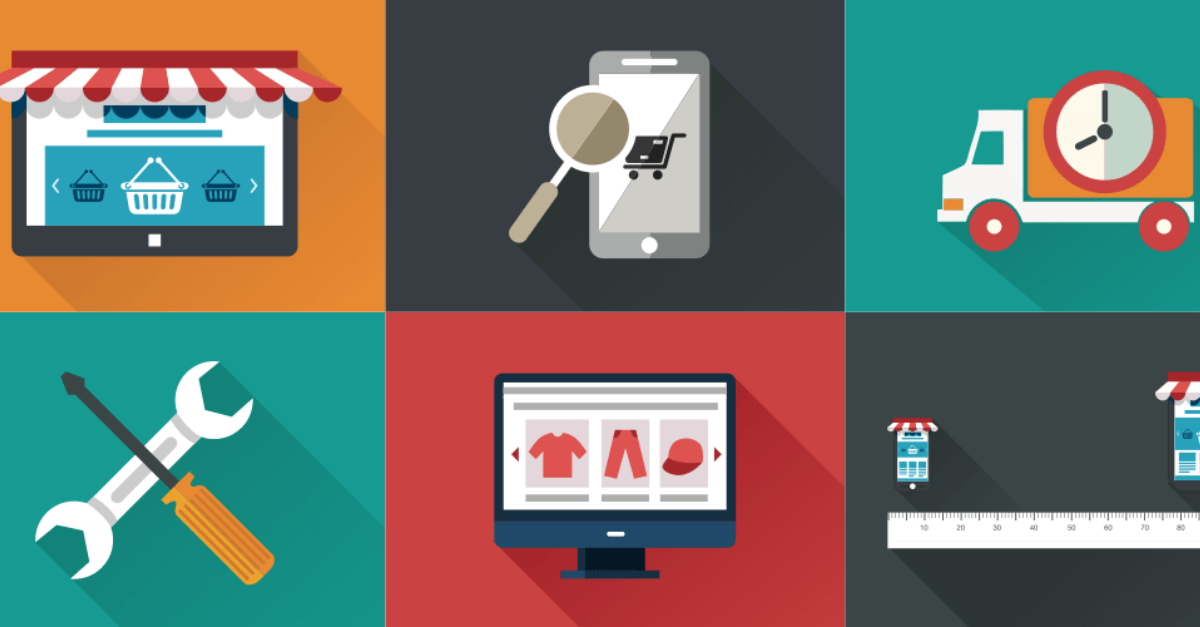
Starting an ecommerce business sounds exciting, but it’s also a major financial commitment. Before jumping into the world of digital commerce, it’s important to understand the costs associated with building an ecommerce website. This article will provide an overview of how much an ecommerce website typically costs, the types of expenses you’ll encounter, and some tips for saving money.
Types of Costs for an Ecommerce Website
When it comes to building a successful ecommerce business there are several expenses that you’ll need to account for. These costs fall into two categories: upfront costs and ongoing expenses.
Upfront Costs
These are the one-time fees you’ll encounter when setting up your ecommerce website. Some of the most common upfront costs include:
-
Web Design: It’s important to have an aesthetically pleasing website that is easy to navigate and reflects your brand. Depending on your specific requirements, you may need to pay a web designer to design your site as well as develop it. This can cost anywhere from a few hundred dollars to a few thousand.
-
Hosting: In order to have an online store you need a place to keep it. This is the job of a web host. Web hosting fees are usually charged on a monthly or annual basis and pricing can vary based on the type of hosting plan you need.
-
Ecommerce Platform: An ecommerce platform is the technology you’ll use to manage your store. You need a platform that can handle product data, customer information, order processing, and more. Many platforms have a monthly subscription fee and also offer customization options for an added cost.
-
Domain Name: A domain name is the address people will use to access your online store. For example, if your business name is ABC Store then you might choose www.abcstore.com. You can register a domain name through a registrar such as GoDaddy and the cost is usually around $10 – $15 per year.
Ongoing Expenses
Even once your ecommerce store is up and running, there will still be some additional costs you’ll need to cover on a regular basis. These include:
-
Inventory: Obviously you’ll need to invest in some sort of inventory. The cost and number of items you stock will depend on your product mix and how much you’re able to sell.
-
Shipping and Fulfillment: You’ll need to take steps to ensure your customers receive their orders in a timely manner. You’ll need to factor in the cost of shipping supplies such as boxes and tape, as well as any fulfillment fees you’re charged.
-
Maintenance: Like any website, it’s important to keep your ecommerce store up to date. This requires regular maintenance and troubleshooting, which can include paying for technical support and software upgrades.
-
Digital Marketing: In order to get the word out about your business, you’ll need to create and maintain an online presence through various digital marketing strategies like SEO, content marketing, email campaigns, and social media. Depending on the scope of your efforts, this could be a significant expense.
Tips for Saving Money on Your Ecommerce Store
If you’re looking to keep your ecommerce costs to a minimum, there are several things you can do.
-
Use a simple hosting package: When selecting a hosting plan, opt for the most cost-effective option that meets your needs. You may also want to look into virtual private server (VPS) hosting, as it allows you to pay for only the resources you actually use.
-
Shop around for an ecommerce platform: Before settling on an ecommerce platform, compare the features and costs of different options. Many platforms offer discounts to first-time customers and some allow you to pay monthly instead of annually.
-
Utilize free and low-cost digital marketing: Depending on your budget and marketing goals, there are several free or inexpensive digital marketing techniques you can use to get the word out about your business. This can include optimizing for local search, utilizing social media, creating content for Organic Social Shares, and taking advantage of influencer marketing.
-
Outsource when necessary: If you’re not comfortable tackling certain web design and maintenance tasks yourself, don’t be afraid to outsource. There are many freelancers out there who specialize in ecommerce websites and can do a great job of taking care of important tasks while keeping costs down.
Creating an ecommerce website can be a significant financial commitment, but with some careful planning and budgeting it’s possible to reduce your costs. Understanding the types of expenses associated with an ecommerce website and utilizing some of the tips above can help ensure your business starts off on a successful and cost-effective note.